

A biological sample—from the moment of collection and processing through to long-term storage—represents far more than just the contents of a single vial; it may embody an entire research project, a dataset, or even a vital clue for disease research and medical innovation.
As fields such as precision medicine, cell and gene therapy, and biomedicine continue to advance, the volume of biological samples is growing steadily. Consequently, the role of biobanks is evolving: they are no longer merely “warehouses for storing samples,” but are increasingly becoming essential infrastructure that bridges the gap between samples, data, and scientific research applications.
01From “stashing away” to “actively managing”
The core mission of early biobanks was to provide a stable storage environment for the long-term preservation of biological samples. However, as the scale of collections has grown from thousands or tens of thousands to the millions, merely ensuring sufficient storage capacity is no longer enough.
Factors such as temperature stability, retrieval efficiency, location management, sample identification, anomaly alerts, and end-to-end traceability are all directly linked to the utility and value of the samples.
At the same time, these samples are increasingly being integrated with clinical information, follow-up data, and various types of research data—a shift that is accelerating the evolution of biobanks from traditional “physical storage” facilities toward standardized, digital, and intelligent management systems.
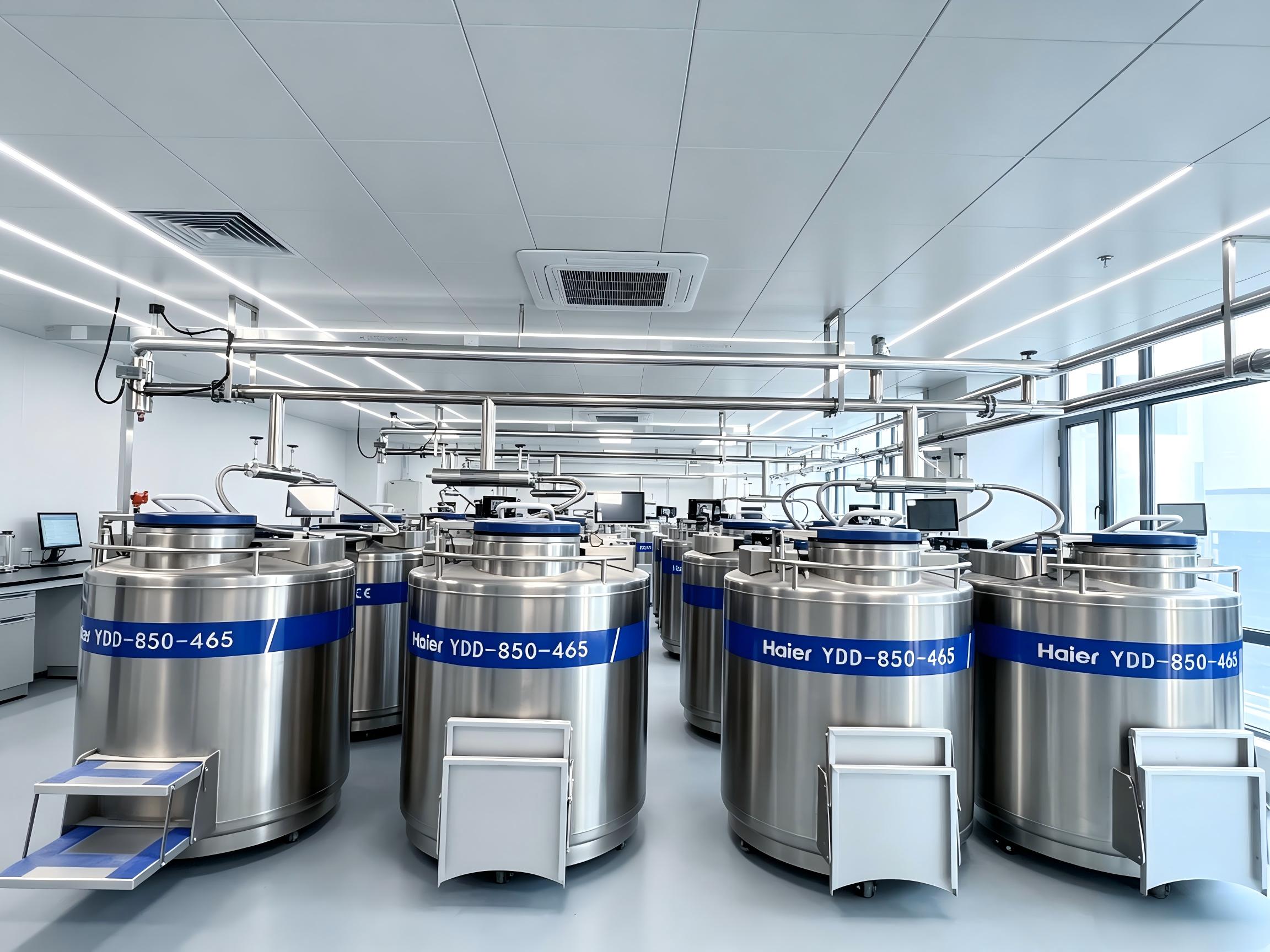
02 What researchers need is more than just “having samples.”
The growth in sample volume is merely a surface-level phenomenon. A more profound shift is occurring: the requirements researchers have for samples have evolved from a simple concern of “availability” to a focus on “reliable quality, rapid accessibility, data completeness, and genuine research utility.”
A: Stable Preservation
In long-term, ultra-low-temperature storage environments, the foundation of a biobank’s operation lies in minimizing risks—such as temperature fluctuations or errors from manual handling—to ensure sample integrity.
B: Efficient Management
As the number of samples grows, relying solely on manual record-keeping and retrieval is no longer sufficient for efficient operations. Technologies such as barcode-based tracking, the Internet of Things (IoT), and automated equipment are driving a transition from experience-based manual management to digitalized management.
C: End-to-End Traceability
Every stage—from sample accession and storage to retrieval and return—must be documented with precise data, ensuring full visibility into a sample’s location, current status, and complete history.
Ultimately, this means that modern biobanks require more than just cold-storage equipment; they demand a comprehensive, integrated capability that encompasses hardware, software systems, and management processes.
03 From Simple Storage to End-to-End Management
As sample volumes grow and management requirements become more rigorous, relying on individual pieces of equipment is no longer sufficient to meet the comprehensive needs of large-scale biobanks.
Moving forward, biobanks will increasingly integrate cryogenic storage, intelligent management systems, and the Internet of Things (IoT) into their operational workflows. This will enable an end-to-end management framework—encompassing everything from stable, long-term storage and digital administration to equipment monitoring and sample traceability—ensuring that every single sample is securely preserved, precisely located, and utilized with maximum efficiency.
04 Haier Biomedical Develops Digital and Intelligent Liquid Nitrogen Storage Solutions
In the field of cryogenic sample storage, Haier Biomedical is evolving from a provider of individual pieces of equipment into a supplier of comprehensive, scenario-based solutions. By integrating equipment, systems, and data—covering the entire spectrum of sample storage, retrieval, transport, management, and operational maintenance—the company enables seamless, end-to-end coordination from initial sample preservation to intelligent management.
Through its digitally-enabled, smart liquid nitrogen storage solutions, Haier Biomedical provides robust, efficient, and intelligent support for biobanks of varying scales and application contexts, helping them address the evolving demands that arise from growth and the need for advanced management.
The true value of biological samples lies in the possibilities they preserve for future life science research and medical innovation. Haier Biomedical is steadfastly committed to ensuring that these precious biological resources are optimally preserved, managed, and utilized. By leveraging continuously innovative cryogenic technologies and smart, digital liquid nitrogen storage solutions, the company provides reliable support for life science research and healthcare—ensuring that the value of every single sample is safeguarded for the long term and fully realized.
Post time: Nov-03-2026